mMitali Juneja
Say hi

Marketing · Brand · Growth

I turn business problems into stories the market wants to tell back.

Eight years leading brand and growth for DTC, B2B and wellness companies. Every case study below follows the same five beats — problem, insight, strategy, execution, impact — because that's how the work actually happens.

Based in DelhiOpen to advisory work

Selected work

Five stories, told the same way.

Humanising a B2B tech giant one face at a time.
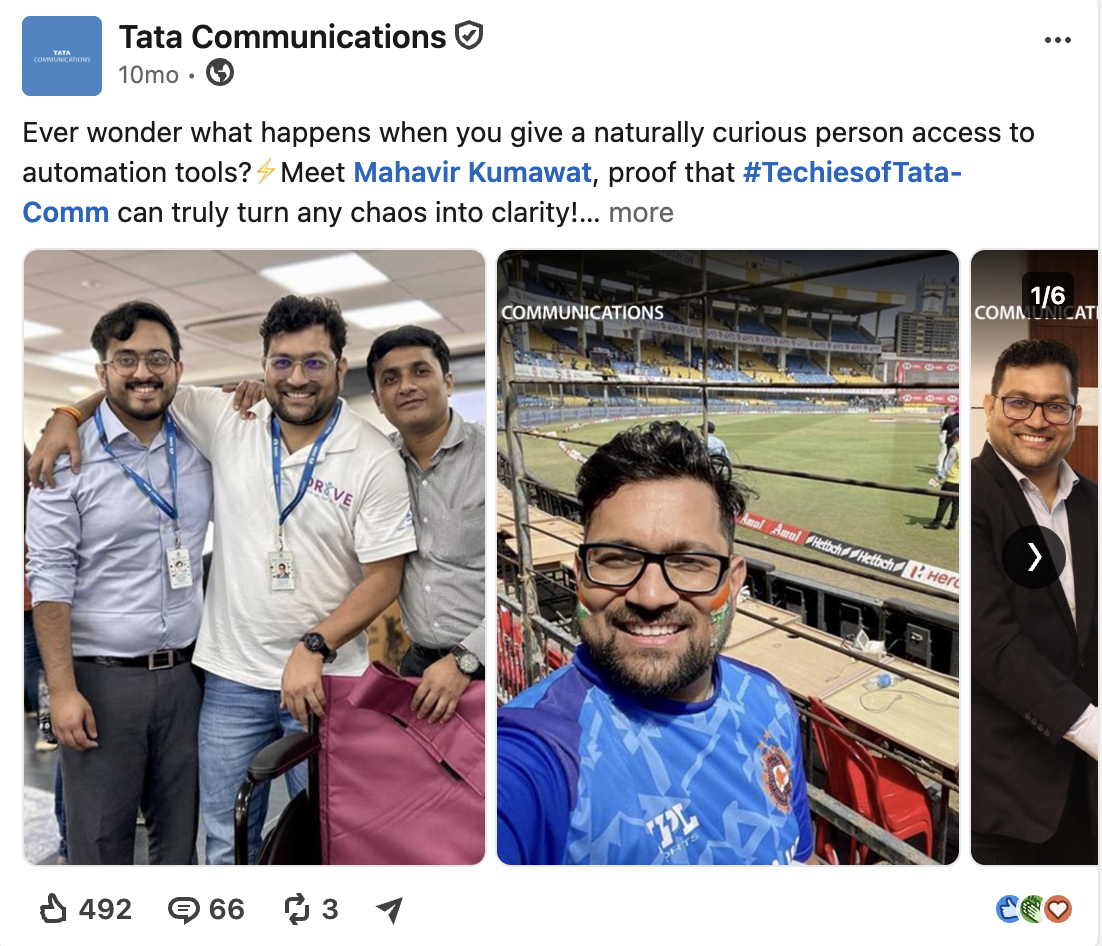
Tata Communications case study image
iThe business problem
Tata Communications was known for networks, cloud and connectivity solutions — but not for the people behind them. In a B2B space crowded with similar capability claims, the brand felt invisible at the human level and was losing share of voice to competitors with louder narratives.
iiThe insight
Enterprise buyers don't just bet on technology; they bet on the people they trust to run it. The engineers, leaders and teams inside Tata Comm were the real proof points — and they had never been the story.
iiiThe strategy
Put people before products. Build a two-part content platform: #PeopleOfTataComm to show the faces behind the solutions, and #LearningWithLeaders to turn the C-suite into credible industry voices.
ivThe execution
  • Launched
  • #PeopleOfTataComm
  • and
  • #TechiesOfTataComm
  • , an employee-first social series spotlighting the people designing, building and supporting customer solutions.
  • Created #LearningWithLeaders, a thought-leadership platform that gave C-suite executives a stage to share perspective on industry shifts, not just product pitches.
  • Aligned internal comms, social, PR and executive teams around a single editorial calendar so human stories and leadership content reinforced each other.
vThe projected estimated impact
3x
Employee engagement on social
+40%
Organic social reach
12
C-suite leaders activated
Building trust with blue-collar workers before asking them to bank.

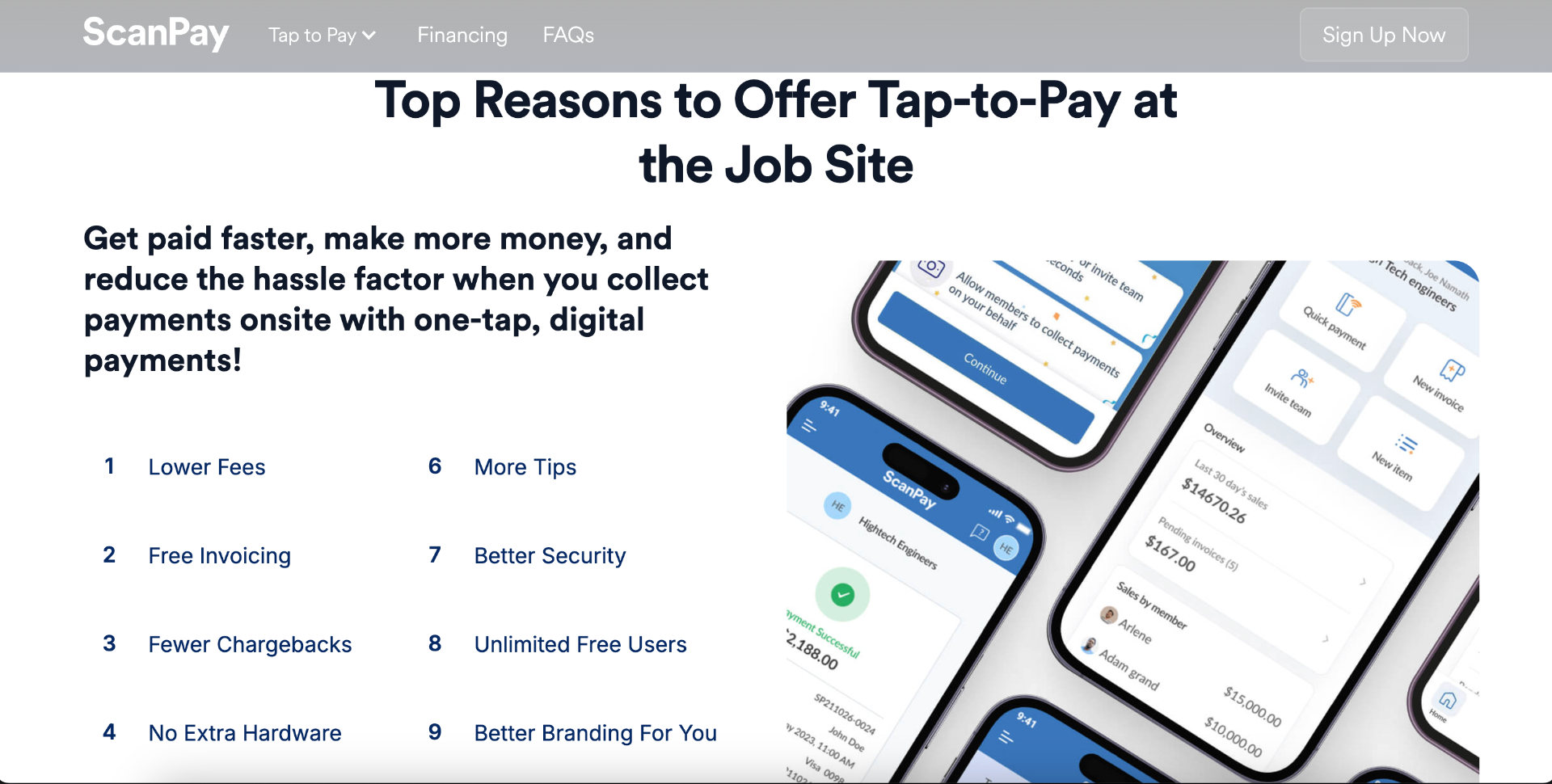
Scan Pay case study image
iThe business problem
Scan Pay was a US neo-bank built for skilled blue-collar workers, but its audience had never heard of the brand and was skeptical of fintech apps handling their wages. The product was ready, but trust, education and awareness were the real barriers to sign-up.
iiThe insight
Blue-collar workers don't switch financial tools because of a slick UI; they switch when someone they trust explains how it protects their money and makes daily life easier. Reliability had to come before conversion.
iiiThe strategy
Build a trust-first launch funnel: educate the audience on neo-banking basics, then prove Scan Pay's reliability through transparent content, and finally convert sign-ups through low-friction onboarding across the channels they already use.
ivThe execution
  • Designed and built the marketing website with a simple, reassuring tagline that framed Scan Pay as a dependable financial partner for everyday workers.
  • Launched Facebook, Instagram and TikTok channels with educational content that answered the core worry — 'Is my money safe?' — before any product push.
  • Created step-by-step explainers and worker testimonials showing how the app handled pay, savings and daily spending, then funnelled engaged viewers into a free registration flow.
vThe projected estimated impact
-42%
Cost per sign-up (CPU)
$7.20
Customer acquisition cost (CAC)
$1.40
Cost per click (CPC)

A launch plan for Dyson's first wet-line haircare across Asia's most crowded shelves.

Dyson case study image
iThe business problem
Dyson's Chitosan pre- and post-style creams are planned to enter a red ocean in India, China and Singapore — dominated by L'Oréal, TRESemmé and trusted local players, at a price point most shoppers have never paid for a styling cream.
iiThe insight
The premium Asian haircare buyer isn't shopping for hold or shine — she's shopping for hair she doesn't have to repair later. Non-damaging, biodegradable styling is the wedge nobody else can credibly claim.
iiiThe strategy
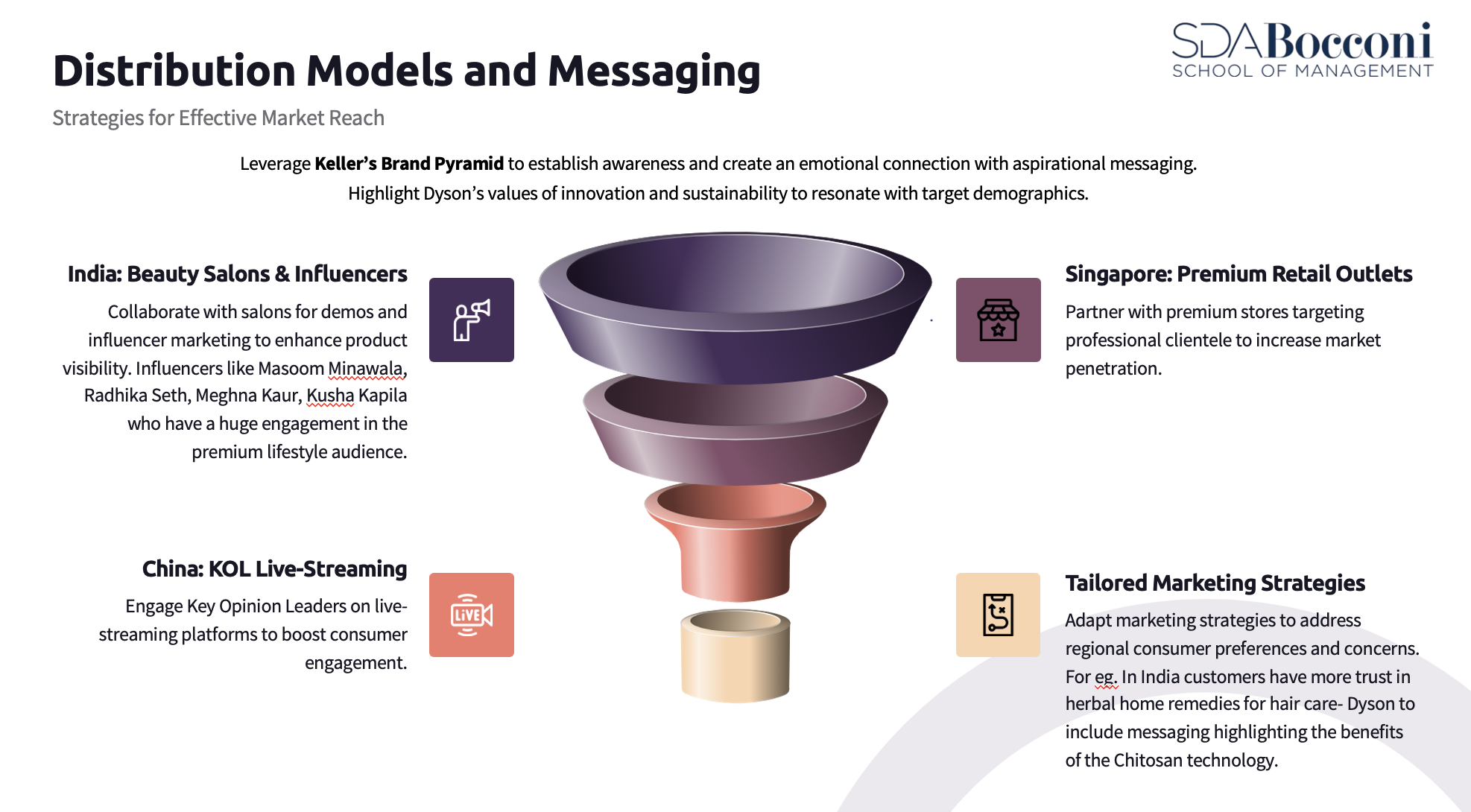
The plan is to enter as a premium, eco-first innovator using a differentiation-led red ocean play: one global product truth, three sharply localised go-to-markets — heritage-and-herbal in India, humidity-proof professional in Singapore, aspirational tech-beauty in China.
ivThe execution
  • Build a country-by-country segmentation and positioning model across behavioural, demographic and eco-conscious clusters.
  • Design an omnichannel launch: Dyson.com flagship, premium e-tail, in-store demos, and creator-led tutorials mapped to each stage of the journey.
  • Model a 3-year forecast and allocate a marketing mix — digital, influencer, retail activation — against CTR, ROAS and referral CAC targets.
vThe projected estimated impact
$21.6M
Estimated marketing-driven revenue
3
Targeted launch markets
6.6%
Estimated CAGR category tailwind

A plan to turn Inter Milan into an everyday entertainment brand for Gen Alpha.

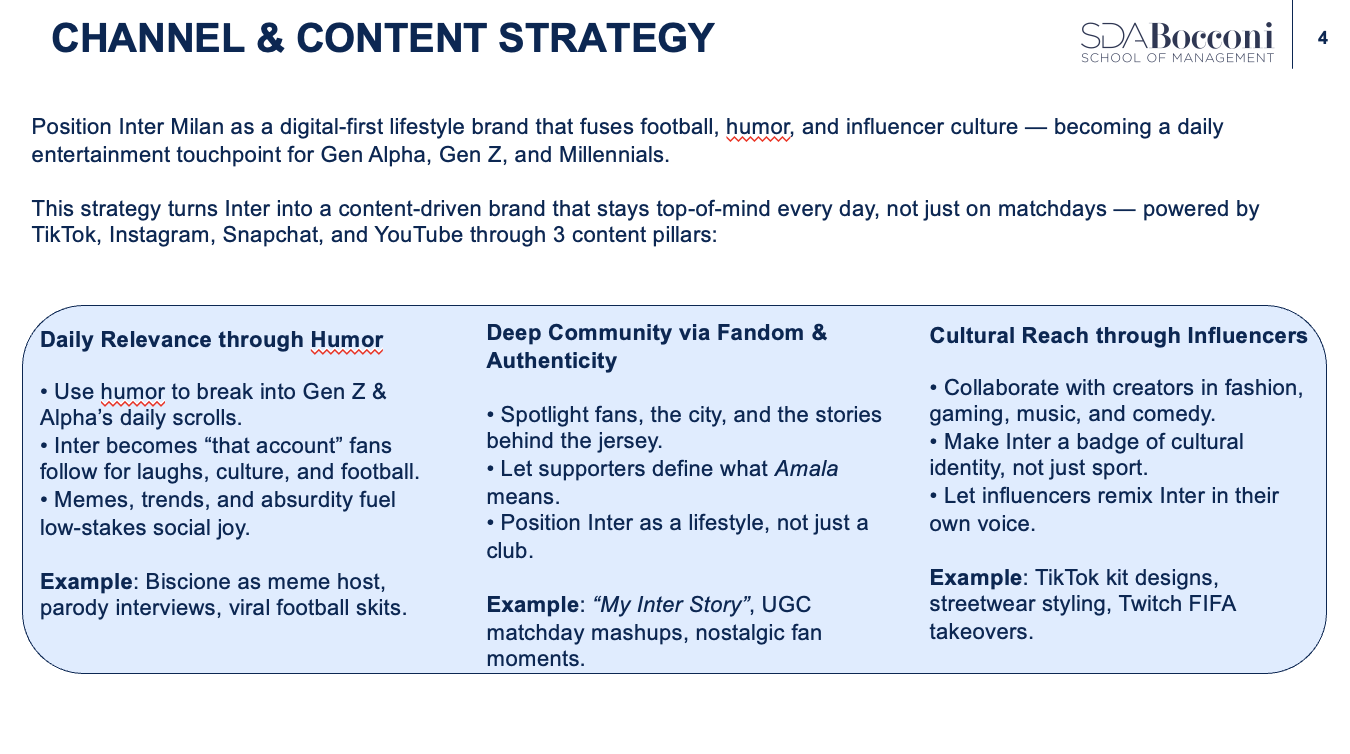
Inter Milan case study image
iThe business problem
Inter is winning on the pitch, but risks losing the next generation. Rival clubs and lifestyle brands are dominating the feeds where 10–14 year olds spend their time, and matchday alone won't build the fans of 2030.
iiThe insight
Gen Alpha doesn't fall in love with clubs through results — they fall in love through humor, creators, and culture. Inter doesn't need more football content; it needs to earn a place in the daily scroll.
iiiThe strategy
Reposition Inter as a digital-first lifestyle brand built on three pillars — daily humor, deep fan community, and cultural reach through creators — powered by an in-house content engine, Inter Media House.
ivThe execution
  • Stand up Inter Media House: two creators shipping 15 pieces a day across TikTok, Instagram and Snapchat.
  • Launch "Inter Offside," a mic'd-up short-form series putting players in unscripted, meme-friendly moments.
  • Partner with Gen Z/Alpha creators like Noah Beck across fashion, gaming and comedy to remix the Inter badge.
vThe projected estimated impact
2.0x
Estimated ROAS in media value
+10%
Estimated follower growth across platforms
5M+
Estimated creator-led unique reach

Repositioning a quiet icon as the most modern kind of luxury.

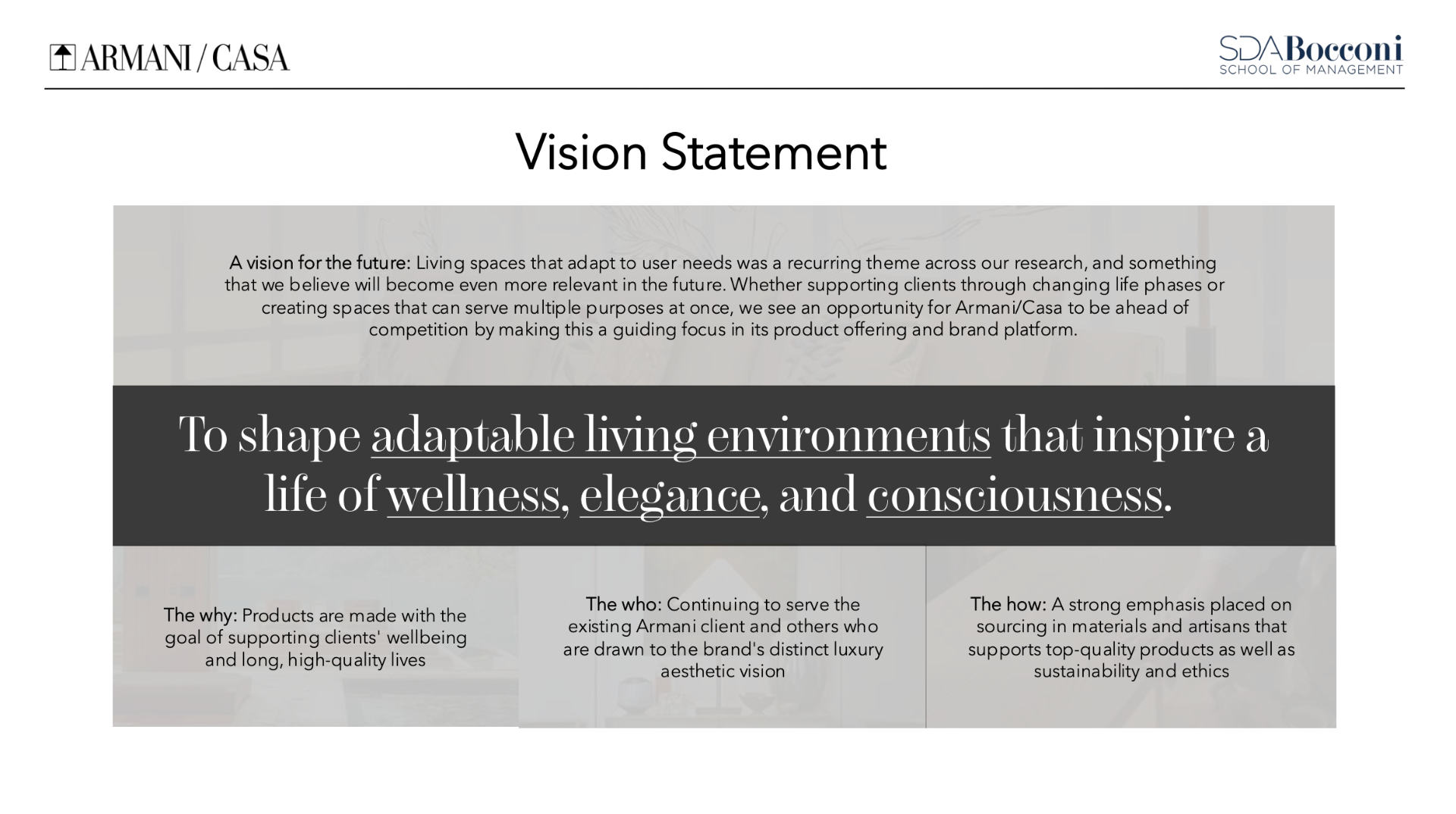
Armani/Casa case study image
iThe business problem
Armani/Casa is admired for craft and heritage, but is losing share of voice to louder rivals like Versace Home and Fendi Casa — and younger, digitally-native buyers are passing it by.
iiThe insight
The next luxury customer isn't asking for more noise. They are trading up to longevity, wellness, and quiet conscience — and Armani/Casa already owns those codes.
iiiThe strategy
Reframe the brand around four values it already embodies — Timelessness, Adaptability, Wellness, and Consciousness — and make durability the ultimate sustainability story: furniture that lasts a lifetime.
ivThe execution
  • Rewrite Vision and Mission around precision-crafted interiors that adapt across life phases.
  • Build a values framework across product, procurement, retail, and digital — from wellness services to a multi-channel luxury concierge.
  • Create regionally-tuned messaging and an internal playbook so the platform can live inside the company, not just in campaigns.
vThe projected estimated impact
4
Proposed brand pillars
9
Proposed positioning axes
1:1
Internal + external alignment goal

About

Marketing strategist with 6+ years across brand, product, market intelligence, and growth. I translate customer insights into go-to-market strategies, integrated campaigns, and measurable commercial impact. MBA from SDA Bocconi; experience across India and Europe in technology, luxury, and consumer businesses.

Roles

Lead Client Strategy · Digital Marketeer

Industries

B2B · D2C · Tech · Lifestyle